
8 Signs You Need Gum Treatment (Do Not Ignore These)

Dr. Meenakshi V
BDS, MDS • 5 min read
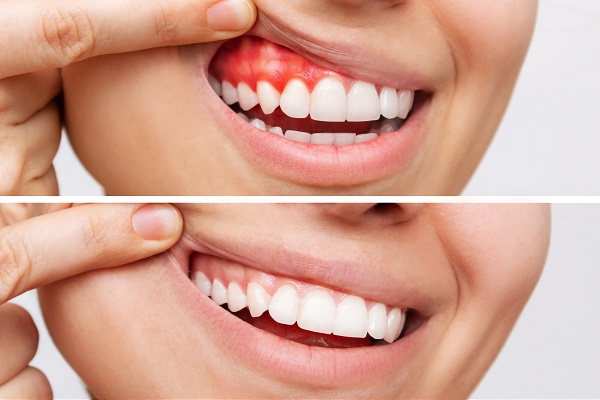
Gum disease is one of the most common dental problems in Bangalore, and one of the most ignored. It causes almost no pain in the early stages. By the time patients notice something is wrong, the infection has often been active for months or years.
The gums and jawbone are the foundation that holds your teeth in place. When that foundation is damaged, teeth become loose and eventually cannot be saved, even if the teeth themselves are otherwise intact.
Why Gum Disease Is Worth Taking Seriously
Research over the past two decades has linked chronic gum disease to a higher risk of cardiovascular disease, poorly controlled diabetes, pregnancy complications, and respiratory infections. The connection is not coincidental. Bacteria from infected gum tissue enter the bloodstream and can affect other organs over time.
Treating gum disease is not cosmetic dentistry. It is health maintenance.
8 Signs to Watch For
1. Bleeding gums when brushing or flossing
Healthy gums do not bleed. Full stop. If your gums bleed when you brush or floss, even occasionally, that is a sign of inflammation caused by bacterial infection at the gumline. At this stage the damage is reversible with professional cleaning and better home care.
The most common mistake people make is assuming that a little bleeding is normal. It is not.
2. Red, swollen, or puffy gums
Healthy gum tissue is pale pink, firm, and fits tightly around each tooth. Gums that look dark red or purple, feel soft, or puff up around the teeth are actively infected and require treatment.
3. Persistent bad breath
Bad breath that does not resolve with brushing and mouthwash is often caused by bacteria living in gum pockets below the gumline. These bacteria produce sulphur compounds that no amount of rinsing can address because the source is underneath the tissue. Mouthwash is not a treatment for this.
4. Gums that seem to be pulling back
If your teeth look longer than they used to, your gums are receding. Receding gums expose the root surface, which causes sensitivity to cold and sweet foods, and they indicate ongoing bone loss underneath. Gum recession does not reverse on its own. It needs treatment, and the sooner it is addressed, the more tissue can be preserved.
5. Sensitivity to cold that was not there before
Root exposure from gum recession is one of the most common causes of cold sensitivity in adults. If the sensitivity started gradually and multiple teeth are affected, check whether your gums have pulled back at those teeth.
6. Teeth that feel loose or have shifted position
Loose adult teeth indicate that enough supporting bone has been lost that the tooth no longer has a firm foundation. This is serious and requires urgent assessment. Front teeth spacing apart when they were previously close together is another sign of bone loss around those teeth.
7. Pus around the gumline or between teeth
Pus means active bacterial infection. A periodontal abscess needs drainage and antibiotics as a first step, followed by definitive treatment of the underlying gum disease. This is a dental emergency.
8. Pain or discomfort when chewing
Early gum disease is usually painless. Pain on chewing may indicate a periodontal abscess, advanced bone loss, or a combination of gum and tooth pathology. A thorough diagnosis is needed to identify which.
What Stage Is Your Gum Disease?
Gingivitis: The earliest stage. Gums bleed and look inflamed but no bone has been lost yet. Fully reversible with professional cleaning and improved home care.
Mild periodontitis: Infection has progressed below the gumline. Some bone loss is present. Requires deep cleaning (scaling and root planing) under local anaesthesia.
Moderate periodontitis: Significant bone loss. Pocket depths of five to six millimetres. Requires intensive periodontal treatment and may involve surgical procedures.
Severe periodontitis: Advanced bone loss. Loose teeth. Pockets deeper than six millimetres. Some teeth may not be salvageable. Surgical intervention needed.
What Does Treatment Involve?
For most patients, gum disease is treated without surgery:
- Professional scaling to remove tartar and bacterial deposits above the gumline
- Root planing under local anaesthesia to clean root surfaces below the gumline
- Antibiotic therapy where indicated
- A maintenance schedule with regular check-up appointments (every three to four months initially)
Surgical treatment is needed for advanced cases where non-surgical cleaning cannot reach the affected areas, or where bone grafting is indicated to regenerate lost support.
Why See an MDS Periodontist Rather Than a General Dentist?
A Periodontist is a specialist with a three-year postgraduate degree focused specifically on gum disease and the bone that supports teeth. The difference from general dental scaling is in the diagnostic accuracy (proper periodontal charting and staging), the depth of root cleaning, and the ability to manage surgical cases and bone regeneration in-house without referrals.
At Lorven Elite, gum treatments are handled by Dr. Arya Ravindranath (MDS Periodontist and Implantologist).
Book a Check-Up
If any of the signs above apply to you, do not put off getting assessed. Early gum disease is genuinely easy to treat. Advanced gum disease is expensive, time-consuming, and in some cases means losing teeth that could have been saved.
Address: Unique Corner, Old Madras Road, Battarahalli, KR Puram, Bangalore 560049
Phone: +91 8550048485
Hours: Monday to Saturday, 10:30 AM to 1:00 PM and 4:00 PM to 7:30 PM
Fact-checked by Dr. Meenakshi V
Medical Reviewer • Chief Dental Surgeon
With over 15 years of experience, Dr. Meenakshi Vpecializes in microscopic endodontics. She is dedicated to patient education and pain-free clinical excellence.
View Doctor ProfilePrioritize your dental health today.
Join thousands of patients who trust Lorven Elite Microscopic Dental Clinic for precision-focused dental care.